No products in the cart.
$9.99
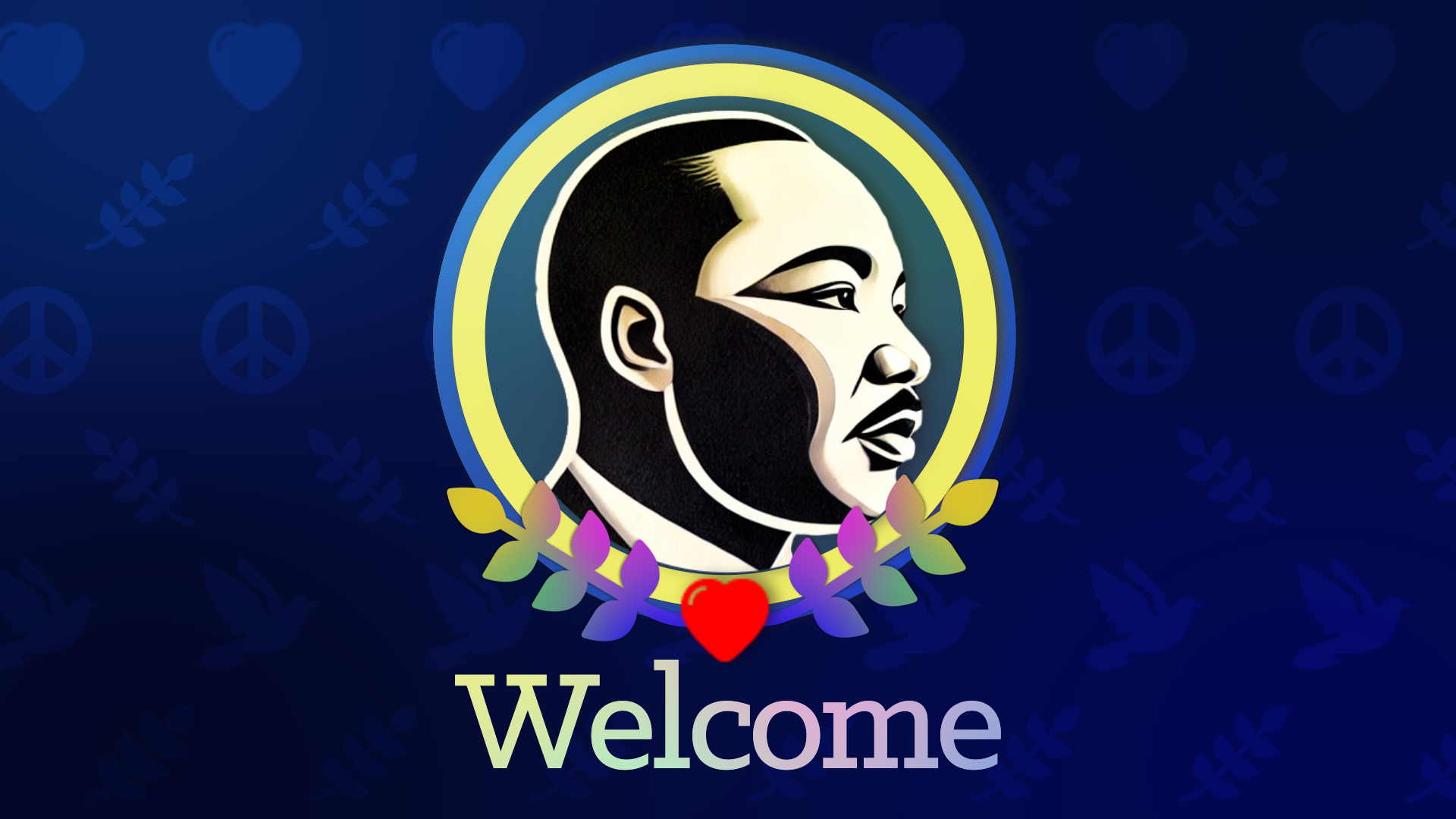
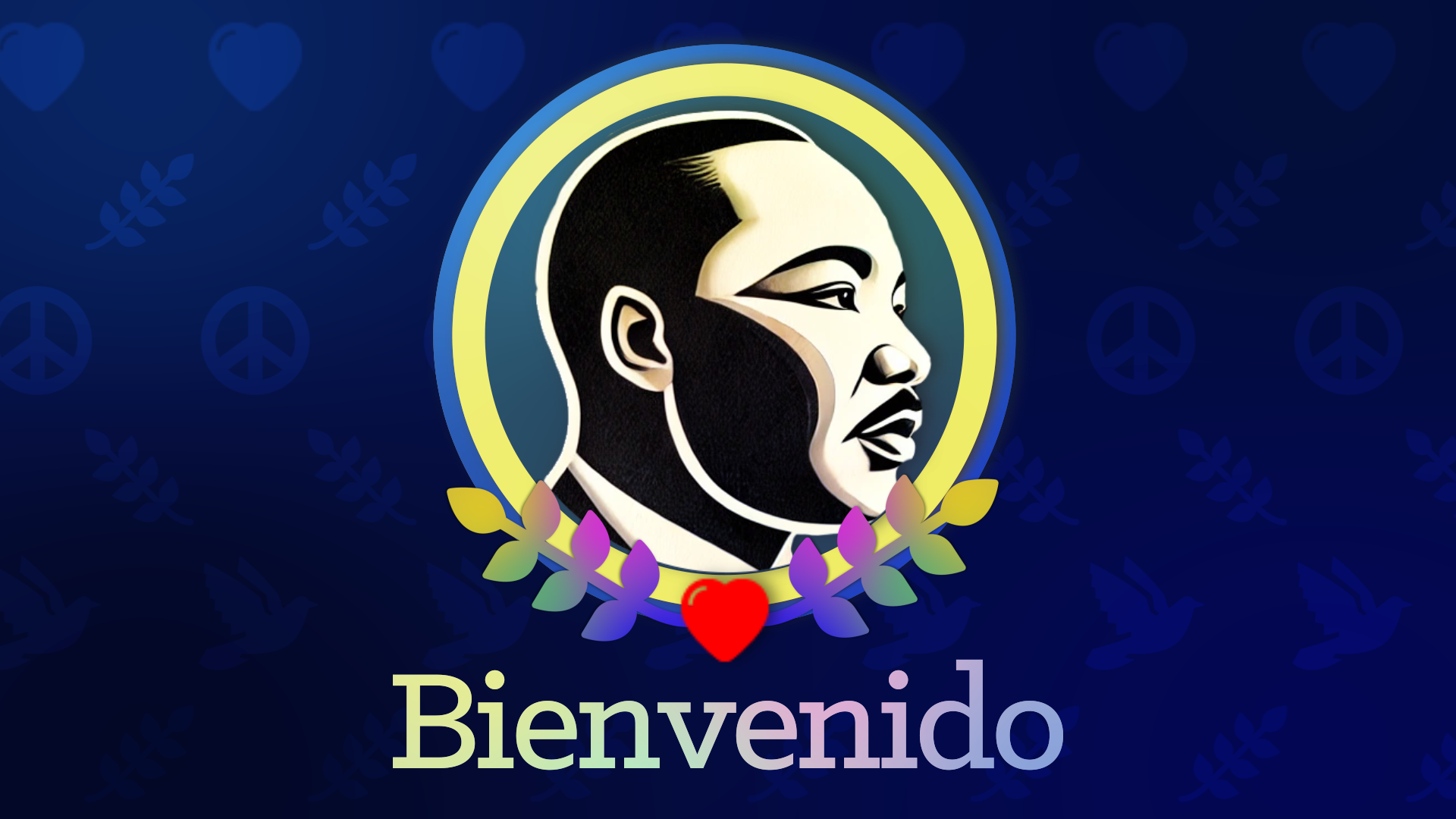
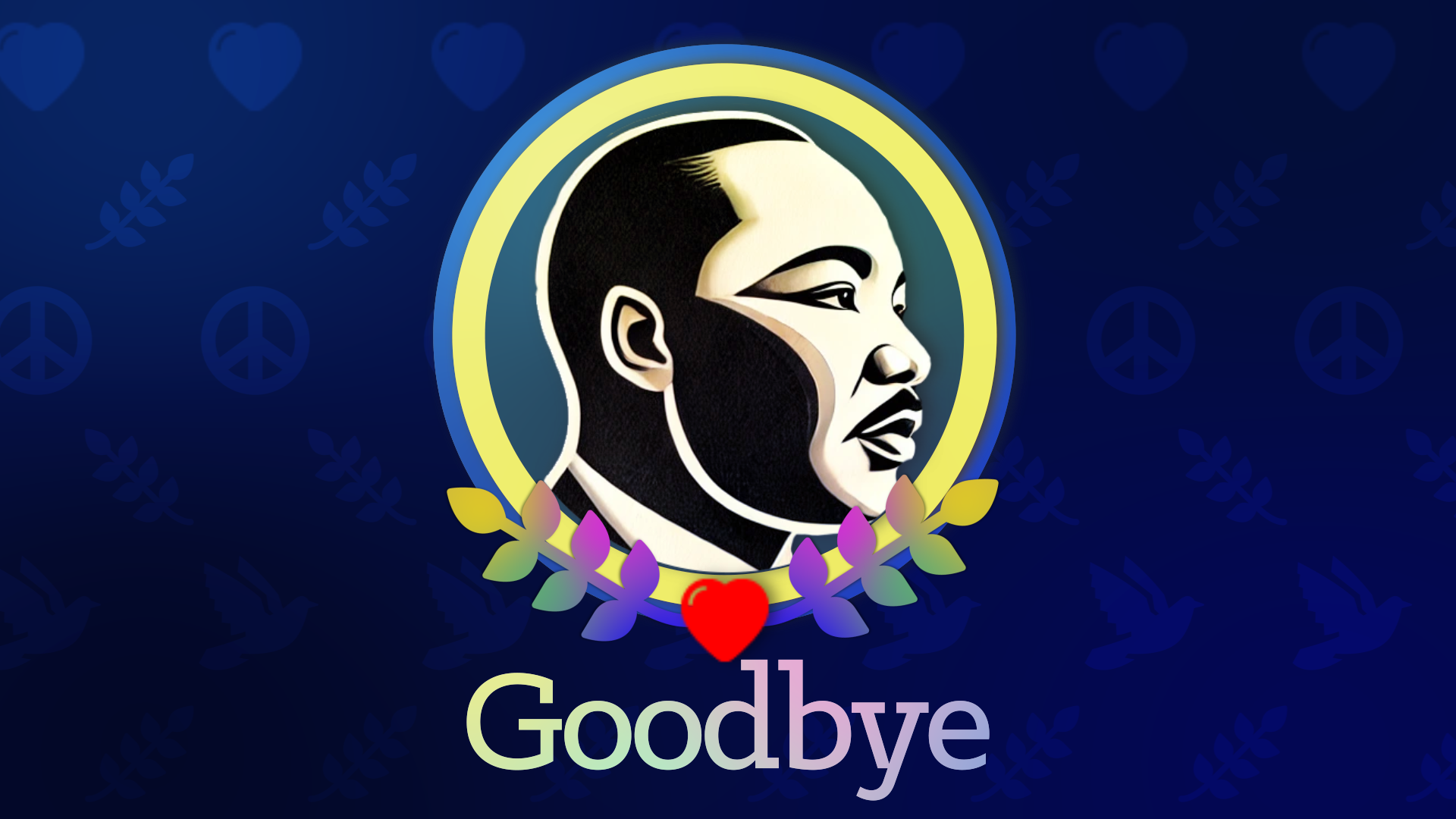
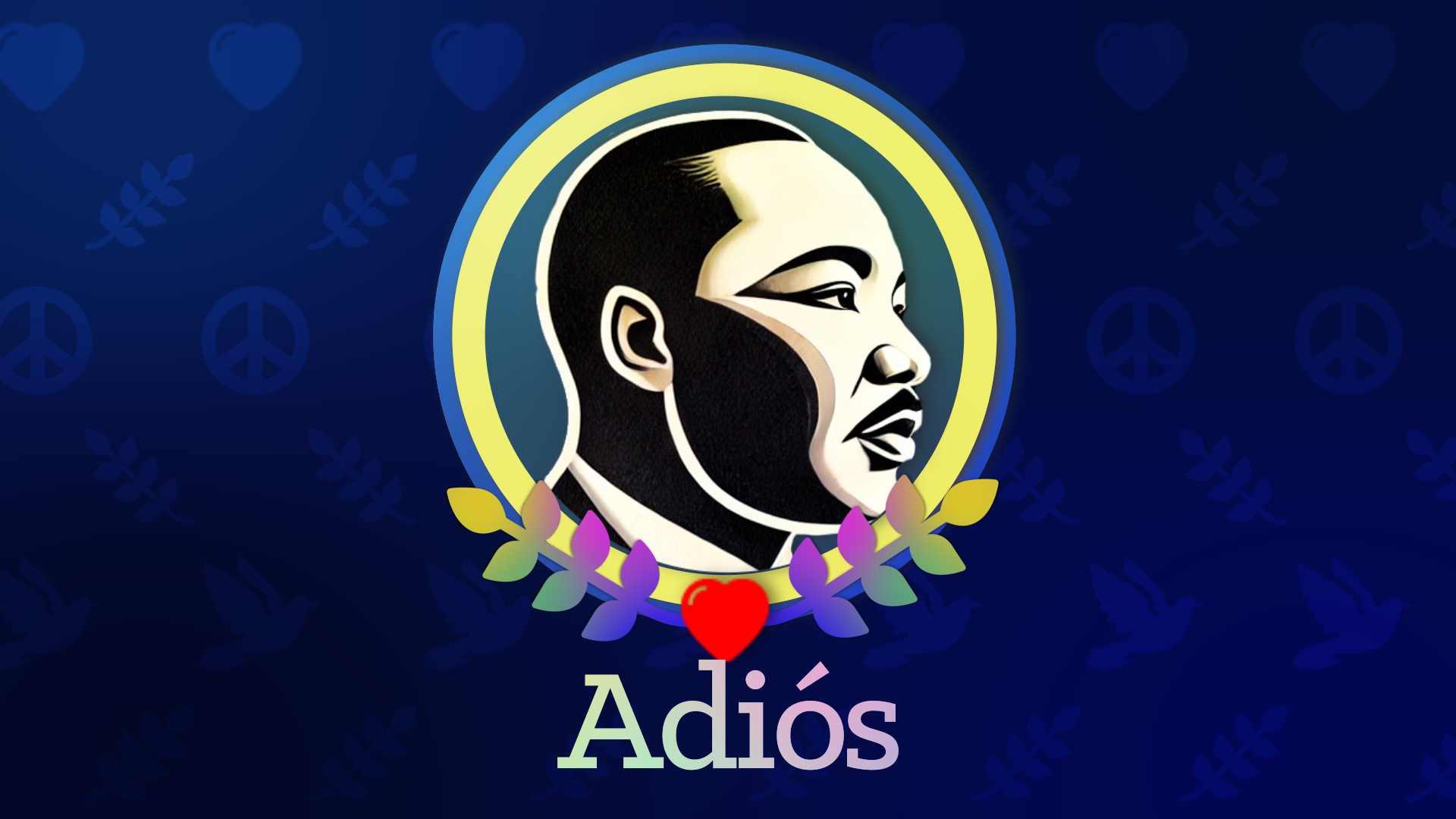
Speak for Peace Videos. Honor Dr. King and his commitment to peace with these resources. Videos (including 4K), PowerPoint, graphics, social media. English and Spanish. Includes 10-second countdown timer.
Speak for Peace Videos. Honor Dr. King and his commitment to peace with these resources. Videos (including 4K), PowerPoint, graphics, social media. English and Spanish. Includes 10-second countdown timer.
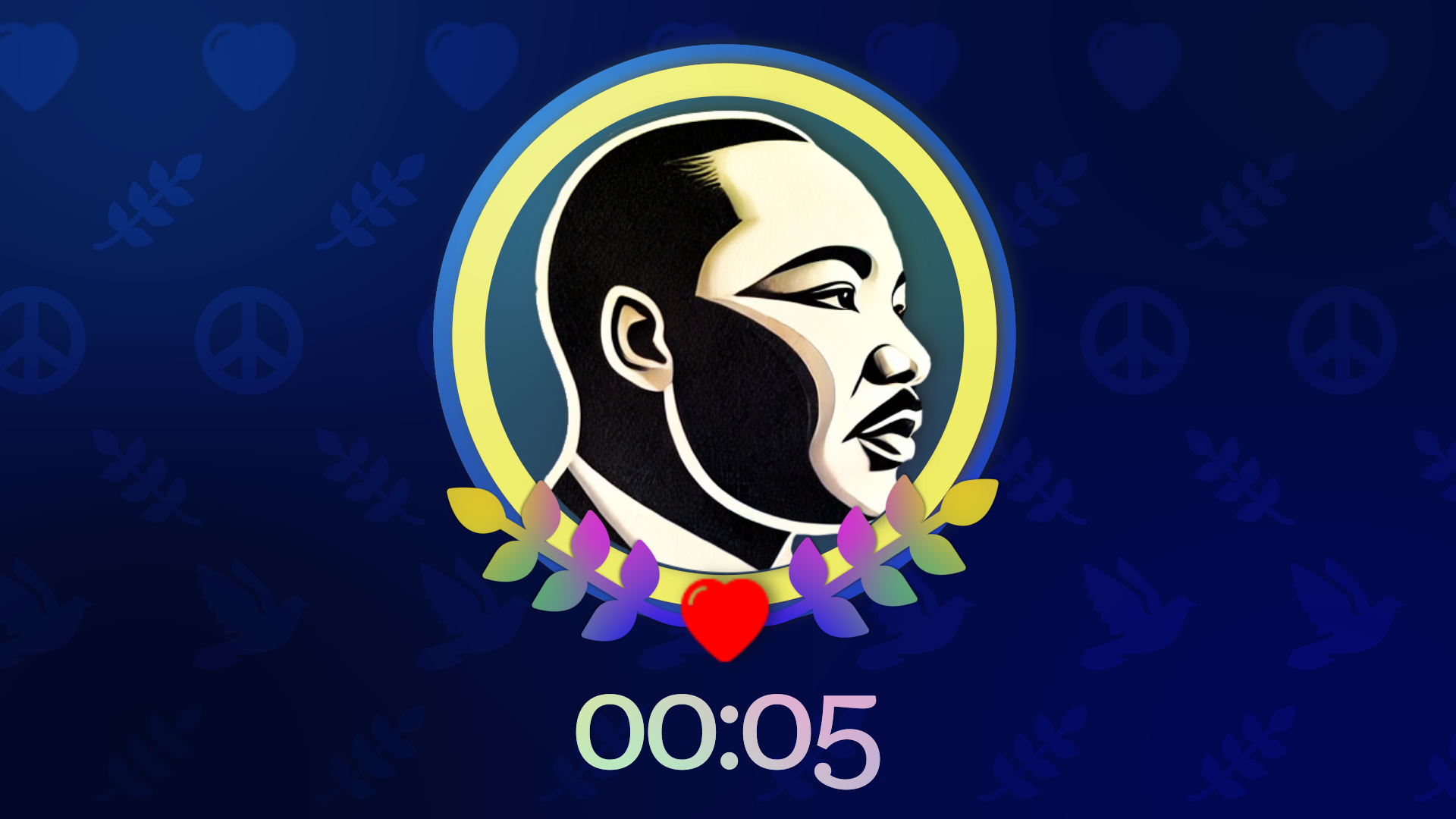
The peace symbols move around Dr. King’s portrait while the blue field holds. A prelude that sets a tone of deliberate calm rather than urgency, which is the right register for some January services and the wrong one for others. Choose accordingly. English and Spanish.
Dr. Martin Luther King, Jr., one of the most prominent leaders of the Civil Rights Movement, was a staunch advocate for peace, intertwining his vision for racial justice with nonviolent resistance. Rooted deeply in his Christian faith and inspired by Mahatma Gandhi‘s philosophy, Dr. King believed that true peace was not merely the absence of conflict but the presence of justice. He viewed nonviolence as a powerful moral and practical strategy to confront systemic oppression and inequality, emphasizing that love and understanding were the antidotes to hatred and division.
Central to Dr. King’s philosophy was the idea that peace could not be achieved without addressing the root causes of injustice. In his 1963 “Letter from Birmingham Jail,” he famously wrote, “Injustice anywhere is a threat to justice everywhere.” This statement underscored his conviction that a peaceful society could not exist in a vacuum of inequity. Dr. King urged individuals and communities to engage in what he called “creative tension,” a process of nonviolent activism designed to compel dialogue and drive meaningful change.
Dr. King’s views on peace extended beyond the racial injustices of the United States. He was an outspoken critic of the Vietnam War, viewing it as a moral failure and a diversion of resources that could have been used to address poverty and inequality at home. In his 1967 speech, “Beyond Vietnam: A Time to Break Silence,” he argued that militarism, racism, and economic exploitation were interconnected threats to global peace. For King, peace required dismantling these systemic forces and building a world grounded in fairness and dignity for all.
Nonviolence, for Dr. King, was not a strategy of passivity but an active force for transformation. He described it as “a sword that heals,” capable of breaking cycles of violence and fostering reconciliation between oppressors and the oppressed. Through peaceful marches, sit-ins, and speeches, Dr. King demonstrated that nonviolence could confront power structures without perpetuating harm. He also emphasized the importance of inner peace, urging individuals to overcome fear and hatred with courage and compassion.
Dr. Martin Luther King, Jr.’s legacy as a peacemaker continues to resonate today. His vision of peace, rooted in justice and nonviolence, serves as a guiding principle for movements around the world. By advocating for a holistic understanding of peace that addresses both social and personal transformation, Dr. King left a profound blueprint for building a more equitable and harmonious society. His work reminds us that achieving peace requires unwavering commitment, moral courage, and the belief that love and justice can triumph over division and hatred.
Only logged in customers who have purchased this product may leave a review.



Reviews
There are no reviews yet.