No products in the cart.


$9.99
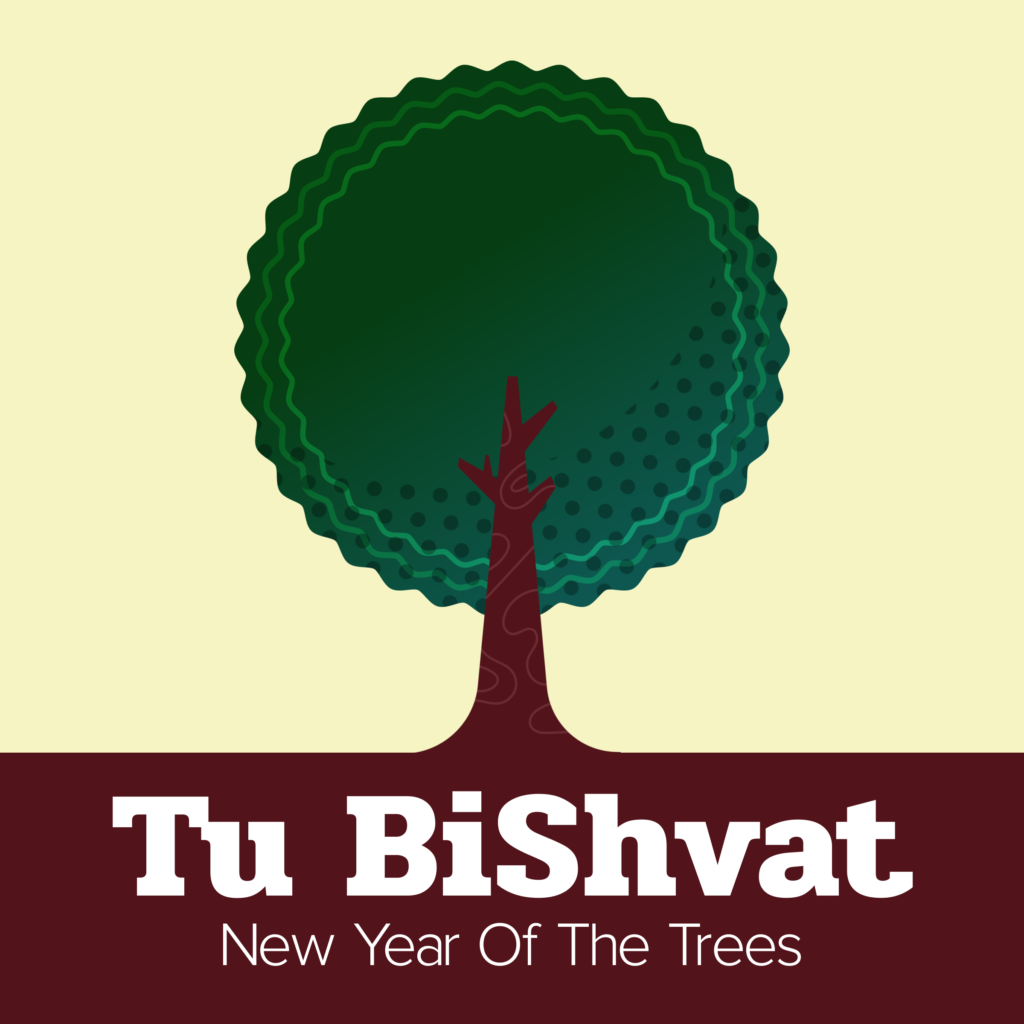
Tu BiShvat. Celebrate “Jewish Arbor Day” or what some call the new years for trees. Videos (including 4K), graphics, social media. English and Spanish.
Start with this PCM design and create a new AI-generated variation in PCM Imago.
Tu BiShvat. Celebrate “Jewish Arbor Day” or what some call the new years for trees. Videos (including 4K), graphics, social media. English and Spanish.
Tu BiShvat, often referred to as the “New Year for Trees,” is a Jewish holiday that occurs on the 15th day of the Hebrew month of Shevat. Originally established as a date for tithing fruit trees in ancient Israel, Tu BiShvat has evolved into a celebration of nature, agriculture, and ecological awareness. It marks the season when the earliest-blooming trees in Israel, such as the almond tree, begin to blossom, signaling the renewal of life in the natural world. Traditional customs for the holiday include eating fruits and nuts, particularly those mentioned in the Torah as the “Seven Species” of the Land of Israel: wheat, barley, grapes, figs, pomegranates, olives, and dates.
A Modern-Day Focus on the Environment
In modern times, Tu BiShvat has become closely associated with environmentalism and the Jewish connection to the land. Many Jewish communities worldwide observe the day by planting trees, engaging in ecological education, and holding Seders (ritual meals) that incorporate symbolic foods and blessings. These activities emphasize the stewardship of creation and the responsibility to care for the earth. This environmental focus has made Tu BiShvat particularly relevant in today’s context, as climate change and ecological degradation highlight the need for sustainable practices.
Spiritual Themes of Growth and Renewal
The themes of growth, renewal, and connection to the divine within creation make Tu BiShvat spiritually significant. Jewish mystics (Kabbalists) saw the holiday as an opportunity to reflect on the interconnectedness of all life, using the symbolism of trees to explore human and spiritual growth. Just as a tree is nourished by its roots and bears fruit, individuals are encouraged to deepen their spiritual roots and bear good deeds as their fruit.
Connections to the Christian Faith
For Christians, Tu BiShvat can provide an opportunity to reflect on biblical themes of stewardship, gratitude, and God’s provision through nature. The imagery of trees and fruits appears frequently in the Bible, with Jesus himself using trees as metaphors for spiritual growth and faith (e.g., the parable of the mustard seed in Matthew 13:31-32). Additionally, the concept of creation care resonates with Christian teachings on humanity’s role as caretakers of God’s earth (Genesis 2:15). Tu BiShvat’s celebration of nature can inspire interfaith dialogue and shared action to address environmental challenges.
A Call to Action Across Faiths
Tu BiShvat serves as a reminder of the sacred responsibility to protect and nurture the natural world. For both Jews and Christians, it can be a time to recommit to ecological stewardship and recognize the divine presence in creation. By planting trees, eating sustainably, or simply pausing to appreciate the beauty of the earth, participants honor the cycles of life and the Creator who sustains it all. In a world facing ecological crises, the holiday’s themes of renewal and interconnectedness invite people of all faiths to work together for the common good.
Only logged in customers who have purchased this product may leave a review.

Reviews
There are no reviews yet.