
No products in the cart.
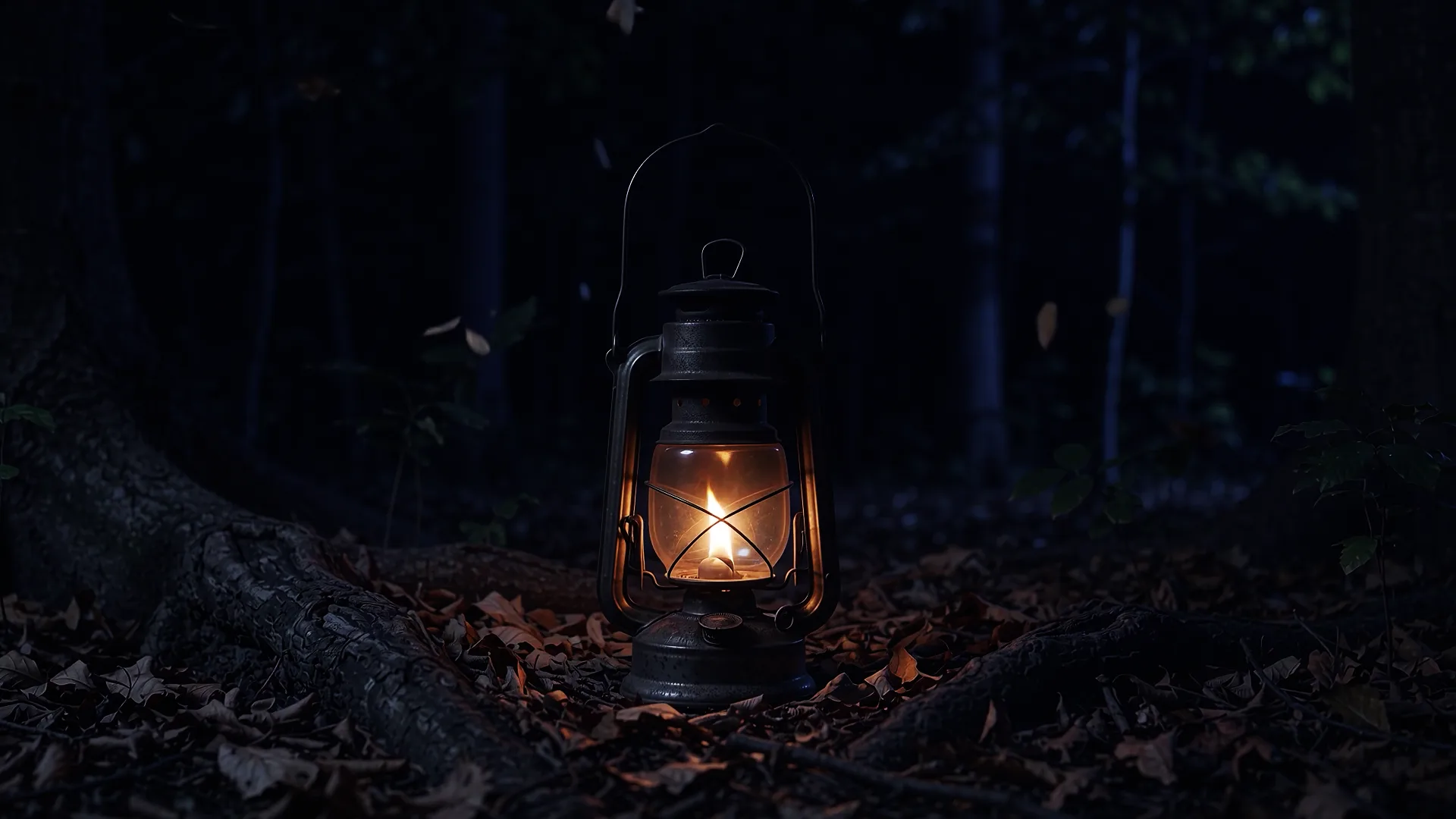
Long before there were Black church buildings in much of the American South, there were hush harbors: secret places in the woods where enslaved people gathered at night to worship God in their own way. They are one of the most important and least known chapters in the history of American Christianity. If your congregation is using our Hush Harbor mini movie this Black History Month, this is the story behind it.
Worship Out of Sight
Many enslavers allowed enslaved people to attend worship only under supervision, often from a balcony or the back of a white congregation, or in plantation services led by white preachers. The message in those services was frequently the same: be obedient, do not steal, serve your masters faithfully. It was a gospel designed to keep people enslaved.
So enslaved Christians made church somewhere else. At night, after the work was done, they slipped away to wooded hollows, ravines, riverbanks, and brush arbors built from branches. There they prayed aloud, preached, shouted, and sang with a freedom they could not have anywhere else. Gathering this way was dangerous. People caught at these meetings could be whipped or worse. They gathered anyway.
The sociologist E. Franklin Frazier called this hidden religious life the “invisible institution,” and historian Albert J. Raboteau took the phrase as the subtitle of his landmark study, Slave Religion: The “Invisible Institution” in the Antebellum South. Invisible to enslavers, it was very much alive.
How They Kept It Hidden
We know a good deal about hush harbors because formerly enslaved people described them. In the 1930s, writers with the Federal Writers’ Project interviewed more than two thousand people who had lived through slavery, and many of them remembered these meetings.
Worshipers hung quilts and rags to form a small room among the trees and wet them down to keep their voices from carrying. Many remembered an iron pot or kettle, turned over or propped just off the ground, set out because people believed it would catch the sound. Lucretia Alexander, who had been enslaved, recalled simply:
“They used to sing their songs in a whisper and pray in a whisper.”
The Gospel They Heard
What happened in the hush harbor was not a copy of the religion preached at them. It was a different reading of the same Bible. Enslaved Christians heard the story of a God who saw the misery of the Hebrew people in Egypt, heard their cry, and brought them out. They heard of a Jesus who came to proclaim release to the captives. The God of the hush harbor was not the guarantor of the master’s order. This God was on the side of the enslaved.
That theology did not stay in the woods. It shaped Black preaching, Black hymnody, and the conviction, central to the freedom movements of the twentieth century, that faith and liberation belong together.
The Songs
The spirituals were born in this world, and many carried more than one meaning. Frederick Douglass, who escaped slavery in 1838, wrote that when enslaved people sang about reaching Canaan, they meant more than heaven: “We meant to reach the North, and the North was our Canaan.” “Steal Away” was used to call people to secret meetings for worship. Harriet Tubman used “Go Down, Moses” to identify herself to people ready to flee.
Historians are careful here, and so should we be. Because helping people escape was illegal, hard evidence for coded songs is scarce, and not every spiritual was a secret map. What is certain is that the spirituals held a theology of freedom that enslavers could hear and not understand.
A note on the “quilt code”
You may have heard that quilts with particular patterns were hung out to guide people along the Underground Railroad. Historians have found no evidence for this, and the story is now widely regarded as a modern legend. The quilts of the hush harbor were real, but their job was simpler and braver: to hold the sound of people praying.
From Hidden to Open
After emancipation, the faith that had been formed in secret came into the open. Freed people left white-controlled congregations in great numbers and built churches of their own, and the hush harbors helped lay the foundation for the independent Black churches that grew across the South. Those churches became schools, meeting halls, mutual-aid societies, and, in the twentieth century, the organizing centers of the civil rights movement.
That is the arc our Hush Harbor mini movie follows: from a lantern kept low in the woods, to a church basement full of people planning freedom, to a congregation singing out loud on a Sunday morning.
Using Hush Harbor in Worship
The video runs about ninety seconds and works best as a call to worship, or just before a sermon or reflection on the Black church. Play it with the lights lowered. Then let a reader lead this call to worship, written to follow it. “One” is the leader; “All” is the congregation.
One: They kept a light no one could see.
All: We give thanks for their faith.
One: They sang of freedom when freedom was forbidden.
All: We give thanks for their courage.
One: They trusted a God who sees, who hears, who sets the captive free.
All: We give thanks for the gospel no one could take from them.
One: Their songs are still being sung.
All: Let us worship, and sing them too.
For a complete order of worship, see our free Prayers and Liturgy for Black History Month. To help your congregation understand what they are seeing, print our free half-page bulletin insert, “What Was a Hush Harbor?” It prints in black ink only, two to a page.
Download the free “What Was a Hush Harbor?” bulletin insert
For Congregations That Are Mostly White
Many congregations using this video will be predominantly white, and that is exactly who it was built to serve well. A few practices help this history be received as a gift rather than borrowed as a costume.
- Come as witnesses. The posture is gratitude and attention, not identification. This is not our story to claim, and it is a story we need to know.
- Tell the whole truth. The hush harbor existed because white churches preached obedience to the enslaved. Naming that plainly is part of honoring the people who refused it.
- Credit the sources. When you quote a spiritual or tell this history, name the tradition it comes from, and point people to Black scholars and Black-led institutions.
- Let Black voices lead. If you invite a preacher, musician, or choir from a Black congregation to take part, invite them early, give them real authority over their part, and pay them.
- Keep going after February. The faith of the hush harbor is not seasonal. Let what your church learns this month shape how it reads Exodus, sings, and works for justice the rest of the year.
Further Reading
- Albert J. Raboteau, Slave Religion: The “Invisible Institution” in the Antebellum South (Oxford University Press)
- Library of Congress, Born in Slavery: Slave Narratives from the Federal Writers’ Project, 1936–1938 (free online collection)
- Library of Congress, Songs of America: Spirituals
- E. Franklin Frazier, The Negro Church in America
See the Hush Harbor mini movie
PCM members download every mini movie, and everything else in the library, for one annual fee.
More for February: our mini movies for progressive churches, Top 5 Bible Verses for Black History Month, and the MLK Sunday prayers and liturgy. Writing your own prayers for the month? PCM Lumen drafts liturgy in a progressive voice.
Frequently Asked Questions
What were hush harbors?
Hush harbors were secret places, usually in woods, ravines, or brush arbors, where enslaved people in the United States gathered at night to worship out of their enslavers’ sight. There they prayed, preached, and sang freely, at great personal risk.
Why were they called hush harbors?
Because worship there had to be kept quiet. Worshipers hung wet quilts and rags to muffle their voices, and many set out an iron pot they believed would catch the sound.
Is the Underground Railroad quilt code real?
Historians have found no evidence that quilts with coded patterns guided people to freedom; the story is widely regarded as a modern legend. Quilts in hush harbors were real, but they were used to muffle sound.