Celebrating Mothers
Mother’s Day was started in the United States in the early 20th century. Versions of this holiday are celebrated around the world. In the U.S., the holiday was first suggested by Anna Jarvis in 1908, as a way to honor her mother and all mothers. She organized the first official Mother’s Day celebration at a Methodist church in West Virginia, on May 10th, 1908. Keep reading to learn interesting facts about Mother’s Day.
The idea of celebrating Mother’s Day quickly caught on, and by 1914, President Woodrow Wilson signed a proclamation designating the second Sunday in May as Mother’s Day, a national holiday to honor mothers. Since then, Mother’s Day has been celebrated in the United States and many other countries around the world, as a way to recognize and show appreciation for the important role that mothers play in families and society.
Celebrating mothers doesn’t have to stop with humans, by the way. The U.S. government has fun facts that will help you celebrate mothers of every species.
Commercialization of Mother’s Day
 Mother’s Day is a special occasion that allows us to show our appreciation and love for the amazing women who have shaped our lives. However, over time, the holiday has become increasingly commercialized, with advertisements and promotions urging us to buy gifts and cards to make our mothers feel special.
Indeed, Anna Jarvis came to lament that she had started Mother’s Day over her concerns that it had become too commercial.
The commercialization of Mother’s Day can be traced back to the early 20th century, when florists and greeting card companies saw an opportunity to capitalize on the holiday’s growing popularity. Today, it is estimated that Americans spend billions of dollars on Mother’s Day gifts and cards each year, making it one of the biggest consumer holidays in the country.
While there is nothing wrong with showing our love and appreciation for our mothers with gifts, the emphasis on buying expensive presents can put pressure on people who may not be able to afford it. It is important to remember that the true meaning of Mother’s Day is not about how much money we spend, but about showing our mothers how much we care in a way that is meaningful to them.
Another issue with the commercialization of Mother’s Day is the impact it can have on small businesses and independent artists. While large retailers may be able to offer discounts and promotions on Mother’s Day merchandise, small businesses may struggle to compete, and artists who create handmade gifts and cards may be overlooked in favor of mass-produced items.
Despite these challenges, there are ways to celebrate Mother’s Day without contributing to the commercialization of the holiday. Consider making a homemade gift or card, spending quality time with your mother, or volunteering in your community in honor of all the mothers who have made a positive impact in our lives.
History of Mother’s Day Celebrations
There are many interesting facts in the history of Mother’s Day. The history of Mother’s Day celebrations can be traced back to ancient Greece and Rome, where festivals were held in honor of the mother goddesses Rhea and Cybele. These festivals were celebrated with great pomp and show, including parades, feasts, and games. The Romans also had a similar festival called Matronalia that was dedicated to Juno, the goddess of marriage and childbirth.
As mentioned earlier, in the United States, the modern Mother’s Day holiday was first celebrated in 1908. Anna Jarvis wanted to honor her mother’s memory by creating a day dedicated to all mothers. She started campaigning for a national holiday in honor of mothers, which she believed would help people appreciate their mothers more.
The idea of a national Mother’s Day was popularized by Julia Ward Howe, who wrote the “Mother’s Day Proclamation“ in 1870 as a call for peace after the Civil War. Julia Ward Howe was an American poet and activist who is best known for writing “The Battle Hymn of the Republic.” In her proclamation, she urged women around the world to come together and work towards peace.
Anna Jarvis continued her campaign for a national holiday throughout her life. She wrote letters to politicians, businessmen, and religious leaders urging them to support her cause. Her efforts paid off when President Woodrow Wilson signed a proclamation designating Mother’s Day as a national holiday to be held on the second Sunday in May in 1914.
Since then, Mother’s Day has become one of the most popular holidays worldwide. It is celebrated on different dates across various countries but mostly falls on the second Sunday of May every year. On this day, people express their love and gratitude towards their mothers by giving them gifts or spending quality time with them.
Cultural Views Of Motherhood
Motherhood is a universal experience that transcends cultural and geographical boundaries. However, the way different cultures view motherhood can vary greatly, with unique perspectives on the sacred and spiritual role that mothers play in families and societies. Click here for Bible verses about mothers and motherhood.
In many Native American cultures, motherhood is viewed as a sacred and spiritual role that is deeply connected to the earth and the natural world. Mothers are seen as the nurturers and protectors of their families, and their roles are often intertwined with the land and the environment. Many Native American tribes have ceremonies and traditions that honor the sacredness of motherhood, such as the Navajo Blessingway, which is a healing ceremony for expectant mothers that involves prayers, songs, and rituals.
In Hinduism, motherhood is also viewed as a sacred and spiritual role, with mothers often seen as embodiments of the divine feminine. The goddess Durga, for example, is revered as the mother of the universe and is seen as a symbol of strength, protection, and nurturing. In Hindu culture, mothers are often honored and respected through various rituals and festivals, such as the celebration of Navratri, which honors the goddess Durga and the divine feminine.
In Japanese culture, motherhood is viewed as a selfless and nurturing role, with mothers often seen as the foundation of the family. Mothers are expected to provide emotional and practical support for their children, and their roles are deeply intertwined with traditional gender roles and expectations. However, motherhood is also celebrated through various rituals and traditions, such as the celebration of O-higan, which is a Buddhist holiday that honors ancestors and offers gratitude to mothers for their sacrifice and dedication to their families.
Motherhood is viewed differently across cultures, but one thing is clear: mothers are revered, respected, and honored for the sacred and spiritual role they play in families and societies. Whether through traditional rituals and ceremonies or everyday acts of love and nurturing, mothers are at the heart of our communities and are truly deserving of our deepest gratitude and respect.
Significance of Carnations on Mother’s Day
An interesting fact about Mother’s Day is the role of the carnation. Carnations are the official flower of Mother’s Day, and it’s not just because they are beautiful. Anna Jarvis, the founder of Mother’s Day, chose carnations as the symbol of the holiday because they were her mother’s favorite flower. She believed that carnations represented a mother’s love and sacrifice for her children.
White carnations represent purity and innocence, while pink carnations symbolize a mother’s love and gratitude. In the early days of Mother’s Day, people would wear carnations to honor their mothers. If their mother was deceased, they would wear a white carnation, and if their mother was still alive, they would wear a pink carnation.
Today, people still give carnations as gifts on Mother’s Day to show their love and appreciation for their mothers. Carnations come in many different colors and varieties, making them perfect for any occasion. They are also long-lasting flowers that can be enjoyed for several weeks or even months after being given as a gift.
In some countries such as Mexico, it is traditional to use red carnations on Mother’s Day to signify that one’s mother is still alive, and white carnations to honor a mother who has passed away. This tradition dates back to 1922 when journalist Rafael Alducin wrote an article suggesting that red should be used for living mothers and white for deceased ones.
The significance of giving carnations on Mother’s Day goes beyond just honoring our mothers with flowers. It represents the deep bond between a mother and child – a bond that cannot be broken no matter what happens in life.
Carnations have been used in various cultures throughout history to symbolize different things such as love, purity or good luck. The Greeks believed that the first ever pink carnation appeared when Zeus wept over his son’s death; hence it became associated with maternal love since then.
In Christianity too, there is an interesting legend about how Mary, the mother of Jesus, cried at the foot of the cross and her tears turned into pink carnations. This is why pink carnations are often associated with a mother’s love.
Carnations have also been used in various rituals and ceremonies throughout history. In ancient Rome, they were used in coronation ceremonies to symbolize power and strength. In China, they were used in weddings to represent fidelity and loyalty.
When giving carnations as a gift on Mother’s Day, it is important to choose the right color based on what you want to convey. If you want to express your gratitude for everything your mother has done for you, then pink carnations would be perfect. If you want to honor a deceased mother or grandmother, then white carnations would be more appropriate.
Popular Mother’s Day Gifts in America
Americans spend billions of dollars on Mother’s Day gifts each year. The average adult spends around $100 for the day. One of the most popular Mother’s Day gifts in America is flowers, with roses being the most commonly purchased type. Flowers are a classic gift that never goes out of style and can brighten up any room.
Jewelry is another popular gift choice for Mother’s Day. Necklaces and earrings are the most commonly purchased items, but bracelets and rings are also popular choices. Jewelry is a timeless gift that can be passed down from generation to generation as a family heirloom.
Many Americans choose to give their mothers gift cards or take them out for a special meal on Mother’s Day. Gift cards allow mothers to choose something they really want or need, while taking them out for a meal gives them quality time with their loved ones.
The tradition of giving gifts on Mother’s Day was officially recognized in America in 1914. While traditional gifts like flowers and jewelry remain popular, many Americans are now opting for more personalized and unique gift options for their mothers. Personalized photo albums or picture frames make great gifts because they showcase memories shared between mother and child.
An interesting fact about Mother’s Day is how gifts for moms are changing. A trend gaining popularity among Americans is experiential gifting. This could include things like spa treatments, cooking classes, or even skydiving lessons! These types of gifts create lasting memories that can be cherished forever.
Some people also choose to give back on Mother’s Day by making a donation to a charity in honor of their mother. This not only shows appreciation but also helps those in need.
According to statistics from the National Retail Federation (NRF), Americans spent over $23 billion on Mother’s Day gifts in 2020 alone! That just goes to show how much we value our mothers and want to make them feel special on their day.
A Difficult Day For Some
 While Mother’s Day is meant to celebrate mothers and their contributions to society, it can also be a difficult time for those who have lost their mothers or who have strained relationships with them. For some people who have lost their moms or whose moms are no longer able to recognize them due to Alzheimer’s disease or dementia may find this day particularly challenging emotionally.
On average, women in the US become first-time mothers at around age 26 and live up until they are around 81 years old. This means that they have plenty of time to celebrate Mother’s Day with their children over the years. However, this is not always the case as some mothers pass away at a younger age or have strained relationships with their children.
It’s important to remember that Mother’s Day is not just about celebrating biological mothers but also those who have played a maternal role in our lives such as grandmothers, stepmothers, and mother figures.
Importance of Greeting Cards on Mother’s Day
Greeting cards are a popular way to express love and appreciation on Mother’s Day. A well-chosen card can convey heartfelt sentiments that may be difficult to express in words. In this section, we will discuss the importance of greeting cards on Mother’s Day.
Mother’s Day cards come in a variety of designs and styles, from sentimental to humorous, making it easy to find one that suits your mom’s personality. Some cards feature beautiful illustrations or photographs of flowers or animals, while others have funny jokes or puns that will make your mom laugh. The options are endless!
One reason why greeting cards are so important on Mother’s Day is because they allow us to express our emotions in a tangible way. While phone calls and gift cards are also great ways to show your love, a physical card can be kept as a cherished memento for years to come. Your mom can display it on her desk or keep it in a special box with other sentimental items.
Another reason why greeting cards are important is that they provide an opportunity for reflection and introspection. When you sit down to write a message inside the card, you have the chance to think about all the things your mom has done for you over the years. You can reflect on happy memories from your childhood or think about how much she means to you now.
Greeting cards can be a source of comfort and support for moms who may be going through a difficult time. If your mom is dealing with an illness or struggling with personal issues, a heartfelt message inside a card can provide her with the strength and encouragement she needs to keep going.
Global Celebrations of Mother’s Day
Mother’s Day is a special day celebrated in over 40 countries around the world. Each country has its own unique traditions and customs to honor mothers. In this section, we will explore some of the most popular celebrations of Mother’s Day around the world.
Mothering Sunday in the UK
In the United Kingdom, Mothering Sunday is celebrated on the fourth Sunday of Lent, which is a Christian holiday. It was originally a day for people to return to their “mother church” but has since evolved into a day to honor mothers with special outings, gifts, and brunches.
On this day, children often give their moms flowers or small gifts like chocolates or cards. Many families also go out for brunch or dinner at restaurants. Some churches hold special services where children can present their mothers with flowers.
Mexico’s Festive Celebration
In Mexico, Mother’s Day is an official holiday and is celebrated on May 10th. It is a festival-like celebration that includes music, food, and gifts for moms. The day also honors the goddess “Tonantzin,” who represents motherhood in Aztec culture.
Mexican families celebrate by gathering together for feasts and parties. Children often sing songs and perform dances dedicated to their mothers. They also give their moms handmade cards and gifts such as jewelry or clothing items.
India’s Special Outings
In India, Mother’s Day is not an official holiday but it is still widely celebrated across the country. Many people take their mothers out for special outings such as picnics or shopping trips.
Families also gather together to cook traditional Indian dishes like biryani or curry as a way of showing appreciation for all that their mothers do throughout the year.
China’s Carnation Tradition
In China, Mother’s Day falls on the second Sunday in May just like in many other countries around the world. However, instead of giving traditional gifts like cards or chocolates, Chinese people often give their mothers carnations.
Carnations are a symbol of love and admiration in Chinese culture. Many children also take their moms out for special meals or outings on this day.
Australia’s Charity Walks
In Australia, Mother’s Day is celebrated on the second Sunday in May just like in many other countries around the world. However, instead of giving traditional gifts like cards or chocolates, many Australians participate in charity walks to raise money for breast cancer research.
These walks are often organized by local charities and involve thousands of people walking together to show support for those affected by breast cancer. Families also gather together for special meals and outings to celebrate their mothers.
Ways to Celebrate Mother’s Day Without Breaking the Bank
Cook a Special Meal for Your Mom at Home
Mother’s Day is the perfect day to show your mom how much you appreciate her. One way to celebrate this special day without breaking the bank is by cooking a special meal for your mom at home instead of going out to an expensive restaurant. You can make her favorite dish or try something new that she has been wanting to try.
Cooking a meal for your mom shows that you put thought and effort into making her day special. It also allows you to spend quality time together in the comfort of your own home. Plus, cooking at home can be more cost-effective than dining out, especially if you plan ahead and shop for ingredients on sale.
Create a Homemade Gift or Card
Another way to celebrate Mother’s Day without breaking the bank is by creating a homemade gift or card that shows your appreciation and love for your mom. A homemade gift can be more meaningful than something store-bought because it shows that you put time and effort into creating something unique just for her.
Some ideas for homemade gifts include a scrapbook filled with memories, a photo album, or a personalized piece of jewelry. If you are artistic, you could create a painting or drawing of something special that reminds you of your mom.
Plan a Fun Activity Outdoors
If your mom enjoys spending time outdoors, planning a fun activity such as a picnic, hike, or bike ride in a local park or nature reserve can be an excellent way to celebrate Mother’s Day without breaking the bank. Spending time in nature is not only good for physical health but also mental well-being.
A picnic in the park can be as simple as packing sandwiches and fruit in a basket and finding a shady spot under trees. Hiking trails offer opportunities to explore nature while getting some exercise too. Biking through scenic routes provides an enjoyable experience while being environmentally friendly.
Offer Help with Chores
Lastly, offering help with chores around the house can be a great way to show your mom how much you care. Doing the laundry, cleaning the house, or running errands are all tasks that can be done without spending money.
Offering help with chores not only saves your mom time and energy but also shows her that you value her hard work and dedication. It’s a small gesture that can go a long way in making her feel appreciated and loved.
Key Takeaways About Mother’s Day
In conclusion, Mother’s Day is a special day that celebrates the love and sacrifices of mothers all over the world. It has a rich history that dates back to ancient times, and it has evolved into a global celebration with its own unique traditions.


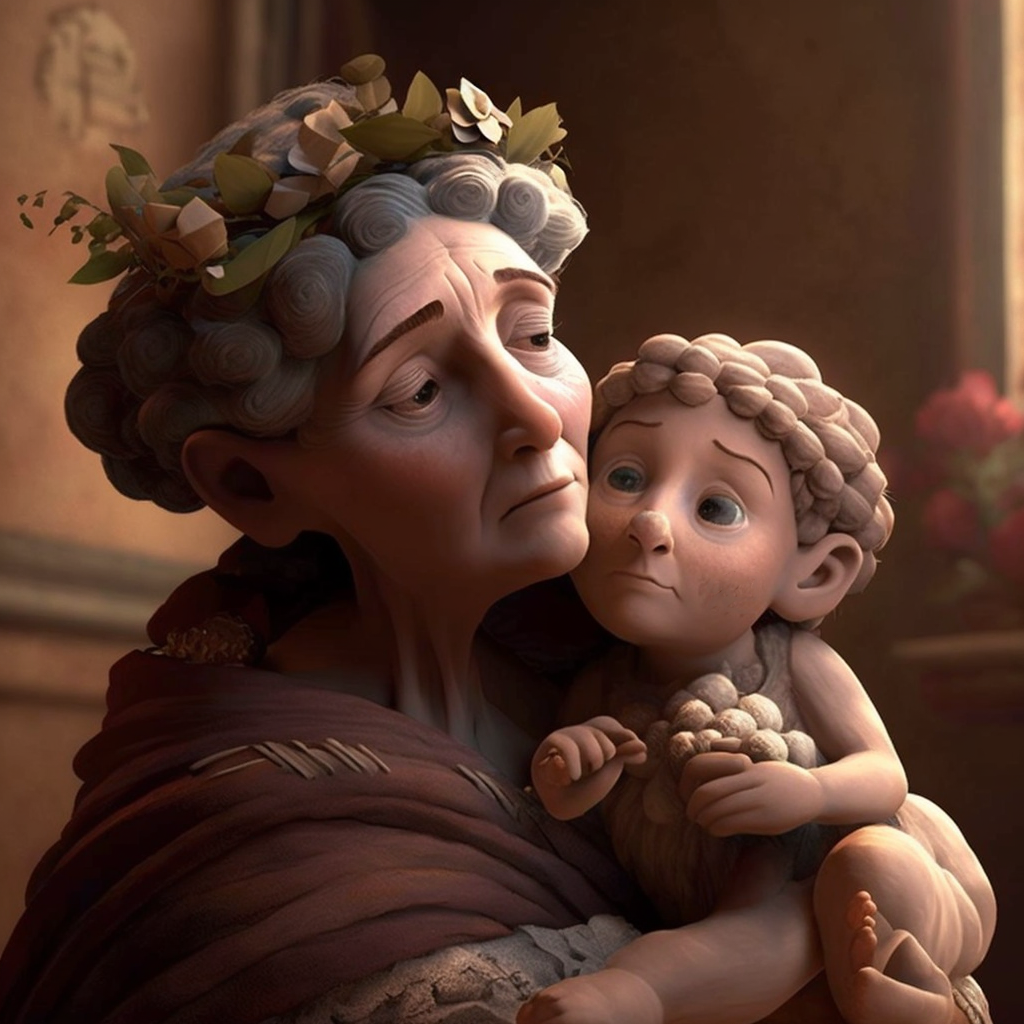 There are many interesting facts in the history of Mother’s Day. The history of
  In Hinduism, motherhood is also viewed as a sacred and spiritual role, with mothers often seen as embodiments of the divine feminine. The
  White carnations represent purity and innocence, while pink carnations symbolize a mother’s love and gratitude. In the early days of Mother’s Day, people would wear carnations to honor their mothers. If their mother was deceased, they would wear a white carnation, and if their mother was still alive, they would wear a pink carnation.
 Many Americans choose to give their mothers gift cards or
  While Mother’s Day is meant to celebrate mothers and their contributions to society, it can also be a difficult time for those who have lost their mothers or who have strained relationships with them. For some people who have lost their moms or whose moms are no longer able to recognize them due to Alzheimer’s disease or dementia may find this day particularly challenging emotionally.
 Greeting cards are a popular way to express love and appreciation on Mother’s Day.
  Mother’s Day is the perfect day to show your mom how much you appreciate her. One way to celebrate this special day without breaking the bank is by
